Organisers of the Melbourne International Coffee Expo have released the full education series program designed solely with café owners in mind.
Between chasing trends, managing staff, ensuring consistent coffee quality, and trying to work on the growth of a business, café owners often wear a dozen hats at once.
That’s where the Melbourne International Coffee Expo (MICE) 2026 comes in. It wants to show its support as a resource for the thousands of café operators around the country with a dedicated education platform for three full days at next year’s event.
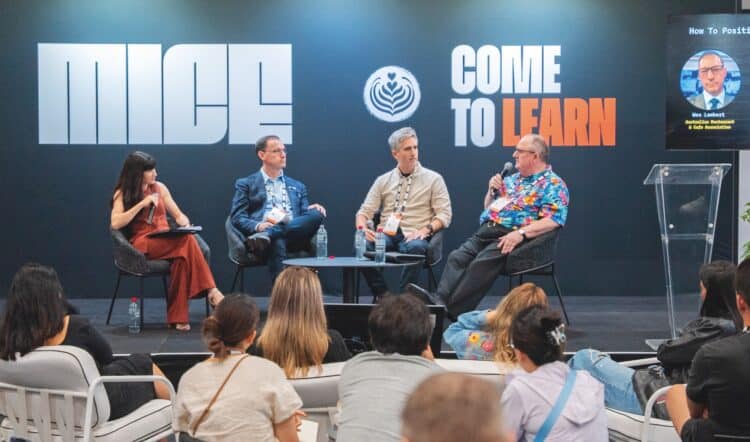
While many café owners will head to the coffee industry’s marquee tradeshow from 26-28 March at the Melbourne Convention and Exhibition Centre to consider new equipment, suppliers and services for their business, many will head to the Café Owners Education Stage for discussion on industry issues, trends, challenges, and solutions.
Participation and entry to the 22-session program is included in the price of all MICE tickets, which has been designed to benefit all operators regardless of size or experience.
“MICE is where ideas meet practicality,” says MICE Moderator Sarah Baker, who has curated the 2026 Café Owners Education Series and considers it MICE’s most comprehensive and relevant program to date.
“It’s where café owners can step back from the day-to-day and see the bigger picture of where the industry is headed, while learning actionable tips they can implement tomorrow to ensure their business isn’t just existing but thriving. MICE is where the café community comes together and the Café Education stage is a place where café owners can connect on shared industry topics.
“Our goal is to create an environment where owners feel empowered, inspired, and ready to take their business to the next level.”
Paying it forward
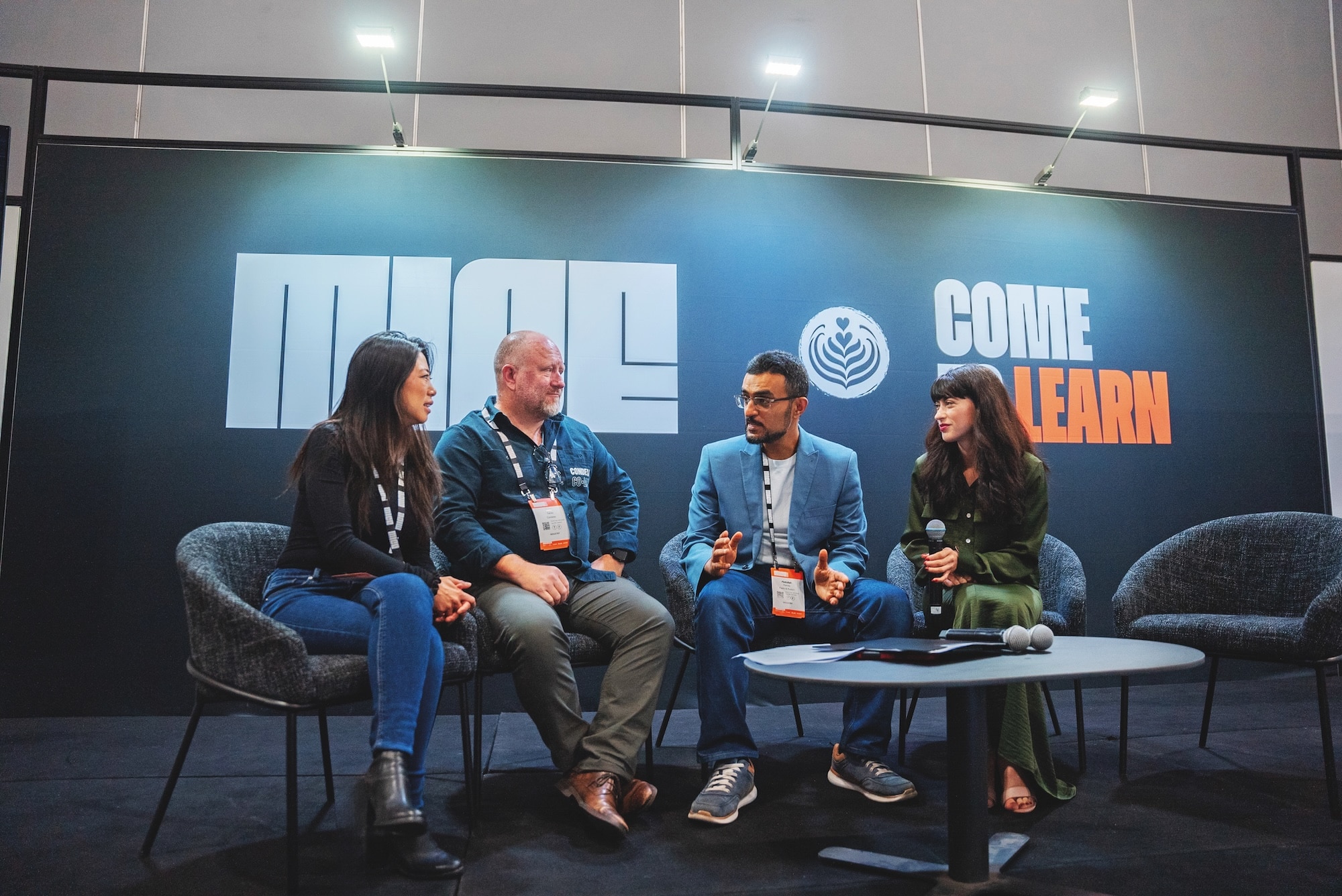
Abdullah Ramay, CEO of Pablo & Rusty’s Coffee Roasters, is one of the panellists returning to the stage in 2026.
At MICE2025, he participated in an informative debate on the coffee price crisis and how cafés can have a conversation with customers to increase what they charge. Next year’s session will involve part two of the discussion on The Coffee Value Gap, and delve deeper into the disconnect between low local coffee prices, the higher costs of production and international pricing.
Abdullah says educational, knowledge-sharing opportunities such as MICE’s panel discussions are vital, explaining that “coffee evolves when people share what they’ve learned”.
“Events like MICE give us the space to pause, reflect, and exchange ideas that move the industry forward,” he says.
“Australia’s coffee scene exists because people before us were generous with their knowledge. They were willing to dream big and brave enough to make it a reality. Now it’s our turn to do the same – by challenging assumptions, testing new ideas, and shaping a better path for the future of coffee, the people that make it possible and those that love to enjoy it.”
Several topics in the 2026 MICE Café Owners Education Series excite Abdullah.
He’s especially looking forward to conversations that dig deeper into reshaping the future of coffee, as well as understanding how the industry can better value Australia’s renowned coffee culture through pricing.
“Reflecting on specialty, where we’ve come from and where we go next will also be of interest. So will exploring which principles in hospitality never change, even as everything else does. Discussing how AI and automation can enhance, not replace, the café experience. And unpacking why leases have become such a major source of pain for cafés, and what owners can do to get smarter about them,” Abdullah says.
“I’m also excited to explore the café and coffee trends that will define 2026. From new formats and technology to shifting consumer habits. These aren’t just topics to present; they’re conversations to have together. The real value of MICE comes from those moments of shared insight that make us all see things differently.”
Setting your business roots
Before a café can thrive, its foundation needs to be solid. Many operators spend years learning lessons the hard way, from commercial leases to retail laws and employee visas.
Café Management 101 kicks off the series, with this session designed to give owners the clarity they need on everything from P&Ls to legal rights, with practical tips that prevent costly mistakes.
Similarly, the session titled How to Establish Your First Café and Be Profitable builds on this foundation by exploring finances, independent versus franchise models, supplier networks, and operational planning.
Jamie Wolf, co-owner of Obi Coffee and Slow Daze Coffee in Western Australia, is a confirmed panellist for this session that will discuss everything aspiring business owners need for their first café venture.
“The more we share as an industry and relate to others through the challenges and successes we’ve experienced, the stronger we can move forward together. These opportunities help us learn from each other, build community, and continue to evolve collectively,” he says.
“I’m looking forward to discussing the way we run our spaces to ensure they’re safe, inclusive, and profitable all at the same time, and how we can strike that balance sustainably.”
Once the basics are secure, strategic sessions like How to Scale Smart and Longevity in the Café Market will focus on future-proofing café businesses.
Menus: Diversification and trends
For café owners, menus are more than a list of drinks and food; they’re a tool for growth, customer retention, and profit.
Sessions such as Curating the Ultimate Café Menu and The Wellness Era of Coffee will help owners discover trends to differentiate their food and drink menus, balancing creativity with commercial viability. From functional beverages and protein coffee to smaller portions and emerging health trends, can cafés meet evolving consumer expectations without losing their essence?
The Cold Coffee Revolution session will continue in a similar vein, asking whether Australia has finally caught onto the chilled beverage boom? It will explore iced drinks, cold brews, matcha beverages, sparkling tonics, and other chilled innovations that can drive off-peak sales and diversify revenue streams.
Signature drinks and menu innovation will also feature in sessions like Matcha Madness and Signature Drink Takeover, teaching operators how to integrate trending beverages and ensure they become a secret ingredient to extra café revenue.
Meanwhile, Beyond Coffee – How to Create the X Factor will prompt operators to think bigger than beverages. Community events, wellness activations, after-hours programming, and multipurpose spaces all help cafés build loyalty, engage staff, and stand out in a competitive market.
“Innovation doesn’t just happen in the kitchen or behind the espresso machine,” moderator Sarah Baker notes.
“It’s about creating moments, experiences, and connections that keep customers coming back. The cafés that succeed in the long term are the ones that can innovate without losing the essence of what makes them special. I’m excited for some prominent Australian venues to share the secrets to their success and hopefully inspire the audience to find their own niche that could be the key to unlocking more customers and more financial opportunities.”
Staff, workflow, and automation
For many owners, the biggest headaches can come from managing people and processes.
Sessions like How Can Automation Deliver a Premium Experience? and AI in the Café Space will explore how technology can ease operational pressures without sacrificing the human touch. From invisible workflow tools to AI-driven efficiency, these talks will show how cafés can improve consistency, reduce stress, and free up staff to focus on the customer experience.
Similarly, Has the Art of Customer Service Disappeared? will remind operators that, even in a high-tech world, the essence of hospitality remains unchanged. Exceptional service drives repeat business, staff satisfaction, and long-term profitability.
“Australia’s food and coffee standards are high, but are we living up to expectations when it comes to hospitality standards? We felt it was important to include this session to discuss customer service, how it’s evolved and whether it really matters to a café’s bottom line,” Sarah says.
Learning from the best
MICE2026 will also celebrate the craft side of café operations. Learn from Australia’s Best Baristas will give attendees insight into the lessons top baristas have learned beyond the competition stage, while How to Turn a Hobby into a Career – targeted at master home baristas – will hear from industry experts who have turned their passion into a career.
Sessions like Five Non-Negotiables From Leading Australian Cafés, The Great Specialty Coffee Debate, and Cafés of the Future will combine lessons on core principles, category education, and forward-looking predictions.
“What is specialty coffee, and do consumers really care? The importance of the specialty coffee category will take centre stage, while also considering the art of education, and whether top-priced coffees can sustain their place on café menus,” Sarah says.
“What does the coffee industry look like in 10 years’ time? We’ll also hear from industry leaders about how beverages, consumption and technology will revolutionise the market and what café owners need to do to be ahead of the game.”
Sustainability spotlight
It wouldn’t be a complete coffee program without dedicated discussions around sustainability.
Sessions such as Sustainable Coffee Solutions will unpack how environmental responsibility can coexist with profitability at every stage of the value chain.
From regenerative farming at origin to energy-efficient roasting, waste reduction at café level, and consumer education, panellists will explore practical ways to make sustainability part of daily operations rather than an afterthought.
Meanwhile, The Future of Australian-Grown Coffee will highlight how local producers are responding to global supply challenges through innovation and resilience. With new hybrids under development and fresh insights from multi-varietal trials, the session will explore how Australia’s emerging coffee-growing regions could become a powerful contributor to the specialty scene.
For café owners, that means the opportunity to connect with growers closer to home, champion local beans, and tell an authentic story that resonates with sustainability-minded customers.
Those eager to look deeper into the forces shaping the global industry can participate in the concurrent educational program, the Global Coffee Report (GCR) Leaders Symposium.
Running before doors open for general admission on day two, the exclusive series will see international thought-leaders and roasters share their experiences and perspectives on where the market is headed, and what it means for those doing business in Australia and New Zealand.
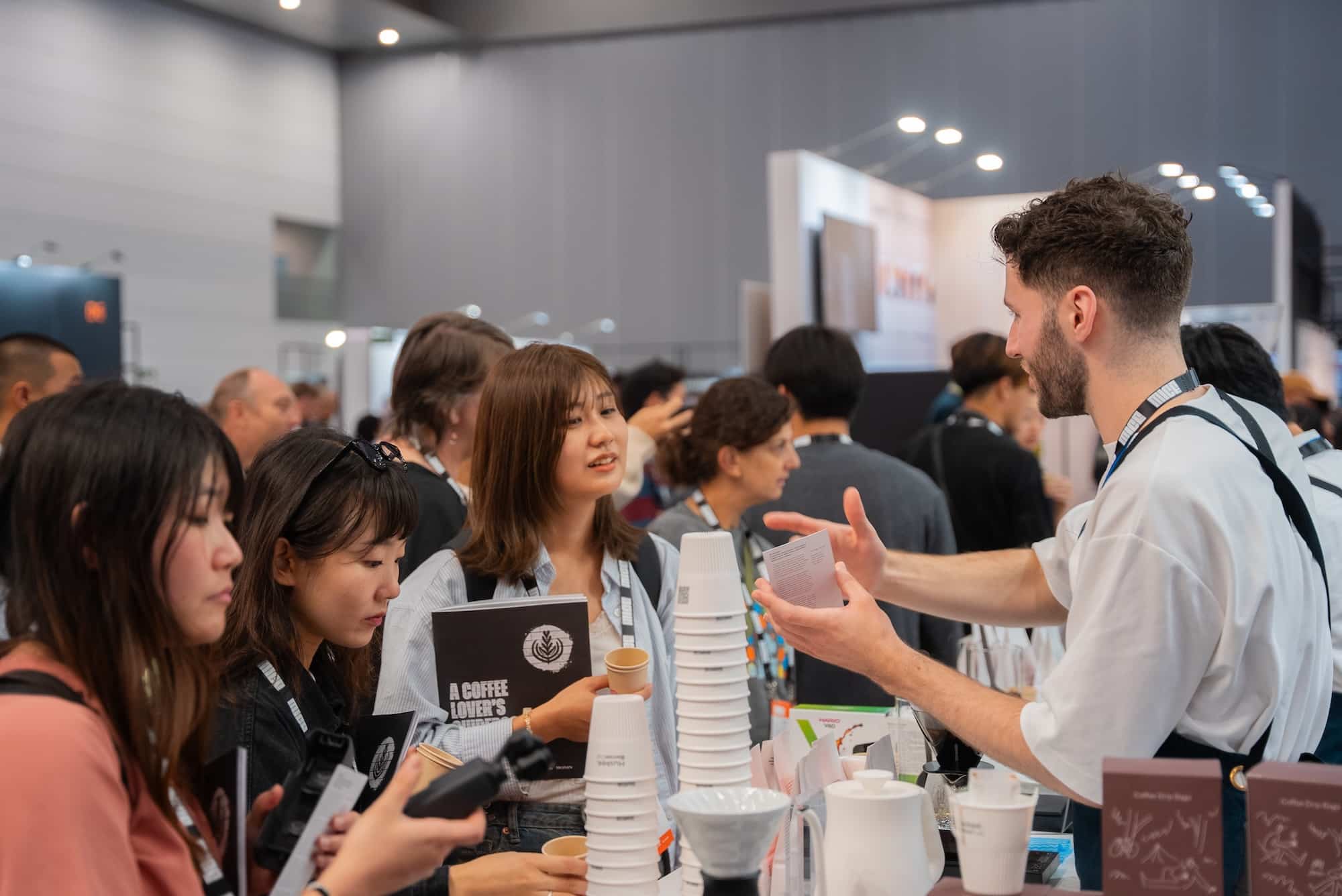
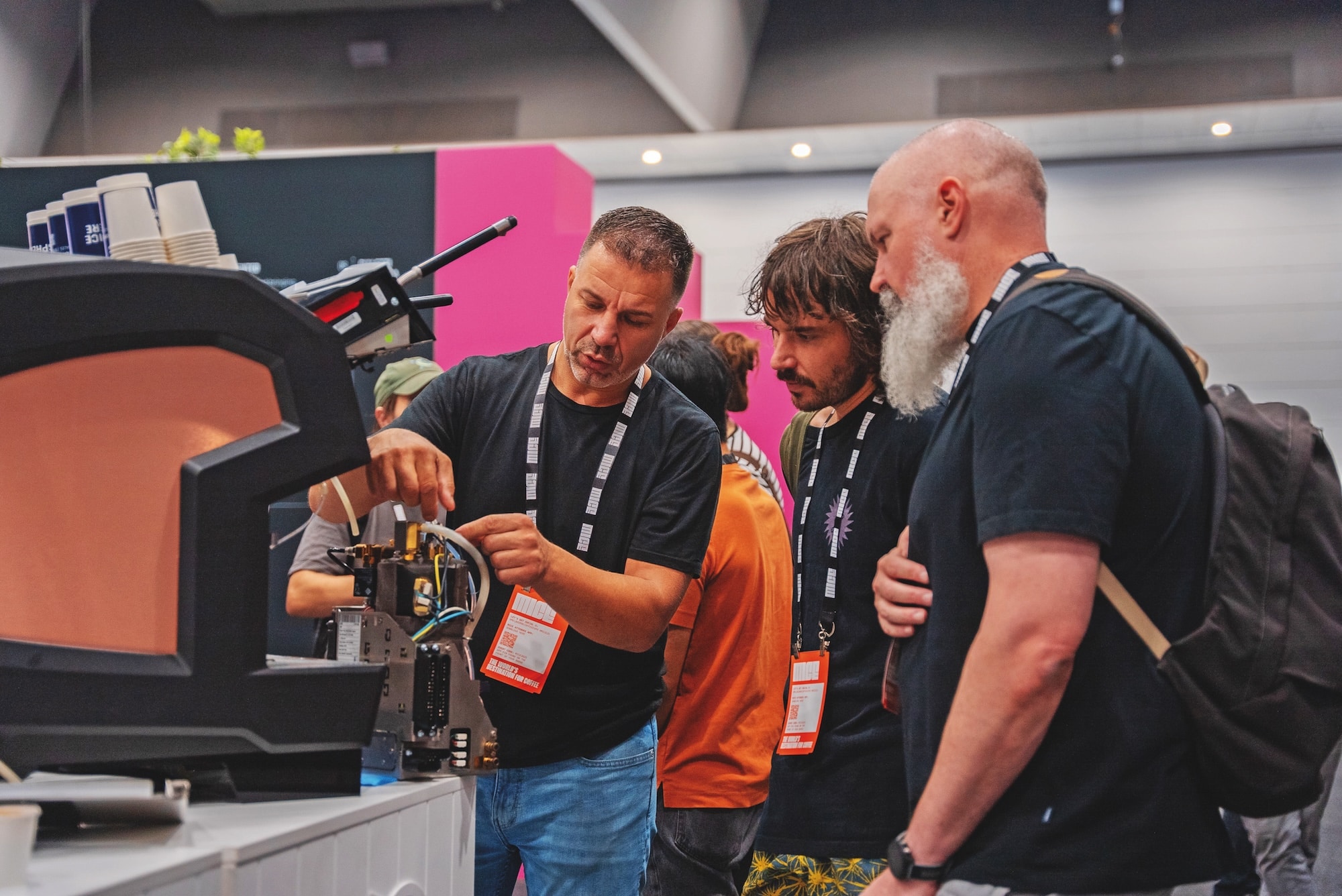
Of course, learning at MICE2026 isn’t limited to the live stage. Across the three-day event, exhibitors will bring education to life through hands-on activations, from cupping sessions and tastings to smackdowns and sensory experiences that celebrate every corner of the coffee world.
“MICE is your chance to make the most of knowledge transfer from some of the industry’s more renowned personalities,” Sarah says.
“Any café owner should maxmise their experience to MICE with as much education as they can. It’s a once-a-year opportunity and could be the key to unlocking one single idea that can elevate their business to the next level.
“Come for the coffee, but stay for the education. I guarantee it’ll be worth it.”
For more information, visit internationalcoffeeexpo.com
This article appears in the December 2025 edition of BeanScene. Subscribe HERE.