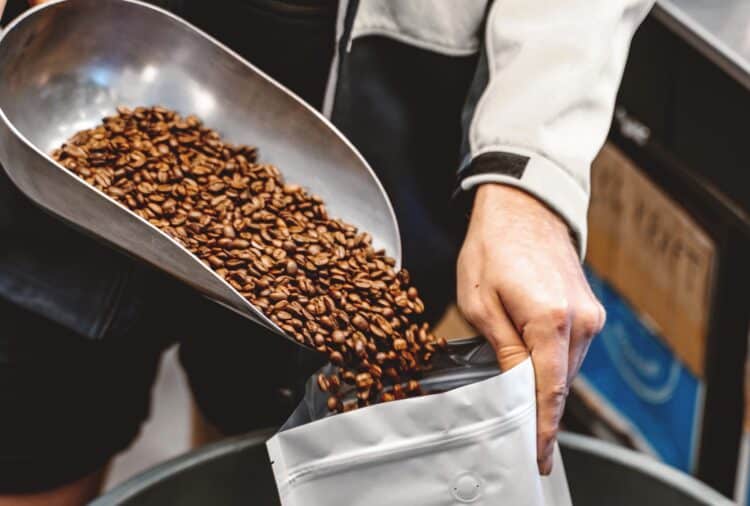
It’s been a year like no other for coffee roasters in Australia. How are they weathering the pricing and supply storm while keeping quality consistent?
The price of a cup of coffee in Australia has become a hot topic over the past year thanks to a string of events that have seen green-bean prices rise to new highs. Online news platforms keep warning of the dreaded $12 coffee, giving café owners the difficult job of educating customers on the reasons behind small price increases while simultaneously putting out the fires sparked by these click-bait articles.
For roasters like Merlo in Queensland, the past 12 months have been bumpy at best. From navigating volatile market prices to securing beans amid global supply issues, maintaining quality while also keeping costs reasonable to ensure customers can continue to thrive has been a challenge. But what exactly has brought the coffee industry to this point?
“The price of green beans is what everyone has been talking about, but there have been a series of issues and events that resulted in coffee reaching a peak price in April 2025,” says Simon Brooks, Q Grader and Head of Operations at Merlo.
“There have been supply chain issues including a shortage of containers, wars in the Middle East impacting shipping routes, extreme weather events impacting coffee harvests around the world, and rising demand from emerging markets such as China and India. The combination of all these things has resulted in demand outstripping supply, which has caused the market price to rise.”
Simon says domestically the problem has also been compounded by the weak Australian dollar. For team at Merlo, the challenge has not just been navigating price increases but also maintaining supply security to get their hands on the coffee they want and need.
“As one of the largest independent roasters in the country, we’ve had to reassess how we do things and readjust to survive. It feels like we have to work 10 times harder to get the same result,” says David Holt, Merlo’s Chief Operations Officer.
“Logistics wise, we now hold a lot more green-bean stock than we did in the past because there’s a lot less spot coffee [green beans in warehouses in Australia that are available for immediate purchase] around to fill the gap if there are shipping delays.”
While Merlo has also had to explore new buying models, Simon says it hasn’t compromised on the quality of its coffee and has done everything in its power to keep prices as low as possible for customers across Queensland and beyond.
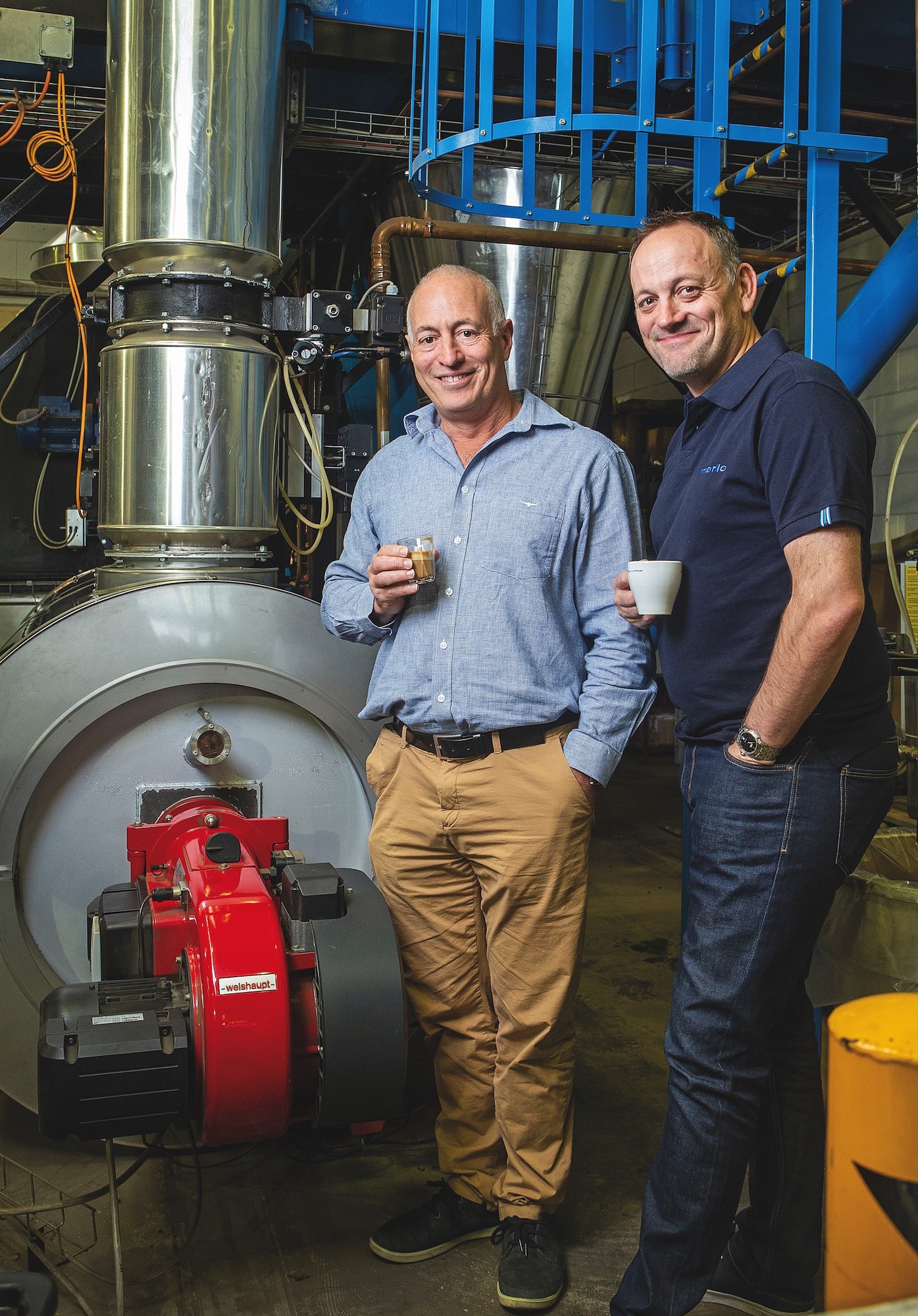
“We won’t ever sacrifice quality to save a dollar. If it costs more, we’re still going to buy the same coffee to ensure consistency for our customers,” he says.
“At Merlo, we’re lucky to work with several of Australia’s largest coffee traders, which means we haven’t had to look to different origins and change the composition of our blends or our selection of single origins.”
Like almost every other roaster in the country, Merlo has had to make some small price increases over the past year. However, David says they haven’t passed on anywhere near the true value of the rises they’ve experienced as a roaster.
“If we passed on the full value of the commodity costs all the way to the consumer, they really would be paying $12 a coffee. That’s just not sustainable for the industry and we have to protect our customers,” he says. “We pass on what we can, but ultimately we’re absorbing a lot more of the increases at this time.”
Although there has been much chatter about the price of a cup of coffee, both Simon and David believe there’s more education needed to inform customers about the crop-to-cup journey. They also say that if prices are to go up, the quality of the coffee needs to ensure value for the customer.
“We invest a lot in training and educating our café partners to make the best cup of coffee with our quality product. We can source the best beans and roast them with care, but if the quality is not maintained by the barista you’ll end up with an unhappy customer,” says Simon.
Despite these difficult market movements, the team at Merlo have seen increasing interest from its café partners to introduce a second coffee option alongside their house blends.
“A lot of cafés are looking at how they can add value for their customers – the days are over when coffee shops could be one dimensional. Venues want to offer a second espresso option or different brewing methods to keep customers engaged,” says Simon.
This interest in more variety has seen the roaster’s Bean of the Month program grow in popularity among its wholesale customers. Each month, Simon and the team select a single origin that showcases a different region, processing method, or farmer story. Previous examples include a Costa Rican from the world’s first certified carbon-neutral coffee farm and a Café Feminino Mexican coffee in celebration of International Women’s Day.
Before selecting the Bean of the Month, the team will cup tens of coffee samples to find the one that best represents what their customers are looking for – with a great story to boot.
“We’re led by what our customers enjoy, but we try and mix it up each month to ensure there’s something exciting,” says Simon. “The team don’t always agree on the winner, but it’s sure to be a good conversation on the pros and cons of each coffee.”
While it’s impossible to predict what the future holds for the coffee market, David and Simon are more optimistic about the year ahead.
“If you look back to April when the coffee price was around the US$4 per pound mark, we’re in a much better position now at about US$3. But if you compare that to October 2023 when prices fell to US$1.54, we’re still in a very different position,” says David.
“You can’t predict where the market is going to go, but we’re definitely more hopeful that coming into the new calendar year it will continue to improve and provide a bit more stability for roasters and cafés in Australia.”
For more information, visit merlo.com.au
This article appears in the October 2025 edition of BeanScene. Subscribe HERE.