The holiday season can be a whirlwind for cafés and food businesses, especially with packed service periods, fluctuating demand, and the constant challenge of balancing stock. While careful inventory planning is key, the right packaging can play a surprisingly powerful role in keeping operations smooth, reducing waste, and helping the planet.
Plan ahead with packaging in mind
“Planning your inventory isn’t just about how much food to order, it’s also about having the right packaging ready to match demand; and this is an important consideration given that packaging is often the first touchpoint customers encounter and can significantly elevate the overall customer experience,” says Trevor Rumble, Director of Product and Innovation at BioPak.
“During peak periods, having appropriate sizes, types, and quantities of packaging ensures that products can be stored safely, displayed attractively, and sold efficiently. Simple steps, like auditing your packaging needs against expected sales, can prevent last minute shortages or over ordering.”
Understand seasonal peaks and lulls
Not every day will have the same demand. Peak days like Christmas Eve or New Year’s Eve can see a huge spike for cafes.
Trever says it’s important to understand the nature of the peaks and troughs of the period.
“Identify your busiest days and prepare packaging accordingly. Adjusting packaging quantities in line with expected demand helps businesses maintain control over inventory and reduce unnecessary waste,” he says.
“It’s also important to partner with a supplier that can meet your demands. “A busy day may catch you off guard – that’s why BioPak offers strong stock levels and quick turnaround times to help with last minute deliveries.
“We can also use our inventory tracking software to help cafes and businesses manage stock fluctuations, so they’re less likely to end up overstocked or caught short.”
Minimise waste through sustainable packaging choices
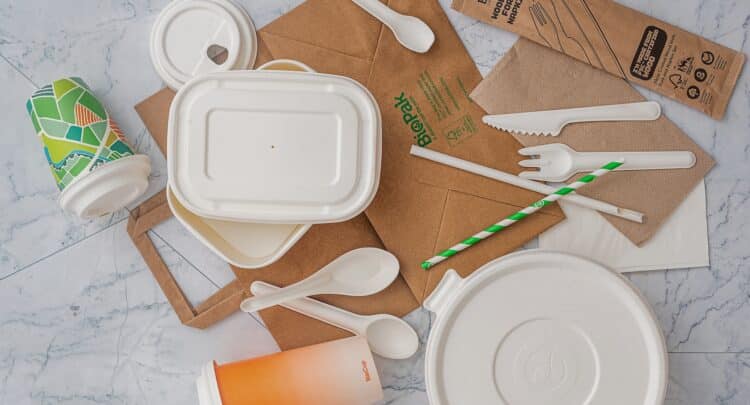
Waste peaks during the festive season, and compostable packaging offers a unique advantage: it can hold food and then go on to capture food waste. Unlike conventional plastics, where leftover food or drink contaminates the material and limits recyclability, compostables are designed to handle both.
“Sustainability is no longer a ‘nice-to-have’, it’s a business advantage. Compostable packaging plays a dual role,” says BioPak Head of Sustainability, Lea Maguero.
“It protects your food, and at the end of its life, it can be composted along with food scraps; subject to council and state waste legislations.
“This has the ability to reduce landfill waste and aligns with customer expectations for responsible business practices.”
Ultimately, getting through silly season comes down to preparation and smart choices, including making sure the right product mix is stocked, ordering ahead where possible, planning for seasonal peaks and quieter periods, or working with suppliers who can manage that demand are all methods that can be used to keep the end-of-year period as streamlined as possible.
Choosing compostable, sustainable packaging not only has the potential to reduce the waste produced during these busiest months, but also meets growing customer expectations around environmental responsibility.
For more information, visit biopak.com