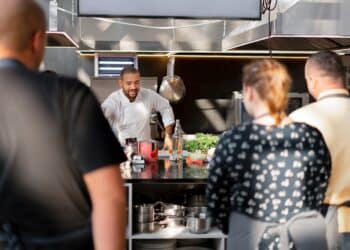
Abdullah Ramay, CEO of Pablo & Rusty’s Coffee Roasters, shares the specialty café trends he believes will shape the landscape in 2025.
Coffee trends in 2025
-
Stories and experience of coffee
Customers increasingly value the story and experience of their coffee. Storytelling via menu boards, social media, and staff engagement will deepen customer connections. Experience and staff training will be a central focal point. A focus will return to what makes specialty coffee special and why customers should invest their hard-earned money in such coffee experiences. - Coffee price adjustments
Rising costs will lead to gradual price increases, with our advice for a small flat white to reach $5.50 and continue towards a global parity of $7 plus. Incremental adjustments and customer education will be crucial for maintaining trust. Some cafés may try to cut costs by using lower quality beans or reducing staff, but this approach often backfires, as consumers won’t accept poor coffee when affordable alternatives are readily available. There may be slightly fewer cups of coffee being sold but it will be made up through more sustainable margins. - Decaf on the rise
Wellness-conscious customers are driving demand for high-quality decaf coffee. In 2025, cafés will take decaf options more seriously. These options will cater to consumers seeking delicious coffee without caffeine, especially for afternoon and evening indulgence. - Flavoured matcha and coffee mocktails
Matcha-based drinks, such as iced matcha and mango or strawberry matcha, will become staples alongside coffee mocktails like Crimson Sunrise and Lychee Dragon offered at our Sydney CBD location. These vibrant, Instagram-friendly beverages will attract younger audiences while diversifying menus. -
Continued rise of cold coffee
Cold coffee, sometimes on tap, will continue to rise. The younger generations especially are fans. We may also see drinks like dalgona coffee [whipped coffee], yuzu-infused cold brews, and flavoured lattes. These beverages will reflect Australia’s diverse culinary identity and appeal to customers seeking exciting new flavours. Cafés adopting these trends will stand out in a crowded market.

Equipment trends in 2025
- Automation for efficiency
Fully automated coffee systems, such as Eversys platforms, will continue to show up in cafés. These systems will be especially popular in high-traffic venues, enabling baristas to focus on customer service and presentation. Grind-by-weight grinders will become a default standard. Automation will also help address labour shortages without sacrificing quality. - Integrated smart machines
Internet of Things (IoT) enabled machines and grinders with self-adjusting technologies will become more accessible, ensuring consistent results with minimal intervention. For example, grinders that automatically adjust themselves to ensure optimal brewing parameters. These machines will also support precision brewing to ensure consistent quality throughout the day. - Sustainable equipment design
Cafés will opt for energy-efficient equipment with features such as energy-saving modes or auto shut offs to lower energy usage. This trend aligns with the broader push for sustainability across the industry as well as the pressure from rising energy costs. - Collaborative robots (cobots)
Cobots will assist staff by handling repetitive tasks such as delivering coffee and food to tables. These robots will work alongside humans safely, freeing up staff to focus on customer interactions. While still a novelty, they will start to appear more and more. - Milk automation advancements
Advances in milk frothing technology will allow cafés to serve multiple types of dairy and plant-based milk with consistent results. Automation will cater to two to six types of milk, concentrates and other liquids at the same time.

Other trends for specialty cafés in 2025
- Community-centric experiences
Cafés will lean back into being third spaces. They may host events like latte art classes, cupping sessions, and co-working memberships to foster community engagement. These activities transform cafés into vibrant social hubs. For example, a café might offer a weekly home barista class, attracting loyal customers and building connections. - Economic adaptations
Rising costs will push cafés to streamline menus and focus on high-margin items like signature drinks. However, those sacrificing quality or service to cut costs may struggle. We may also see pricing innovations such as dynamic pricing and different pricing for dine-in and take-away and more targeted and fun loyalty schemes. - Create something special
To stand out in an increasingly competitive market, cafés will create unique and memorable experiences. This could involve incorporating interactive elements such as live music or art installations, cafés creating a unique theme, or focusing on sustainability initiatives like composting or recycling programs. Additionally, we’ll see cafes developing a strong brand identity and unique selling propositions (USP). This could be achieved through signature drinks, innovative brewing methods, or a strong commitment to ethical sourcing. - Health focused options
Menus will continue expanding to include dairy-free milk, low-carb snacks, and functional drinks that may feature adaptogens and nootropic ingredients. Cafés fuel many lives and special moments each day. Wellness focused customers will be looking for more than just energy. - Sustainability front and centre
Compostable or recyclable packaging, ethical sourcing, and waste reduction will become standard practices. Customers increasingly expect cafés to take responsibility for their environmental impact. A leading example is reusable cup programs, which incentivise patrons to reduce single-use waste. - Roasters and supply chain stress
Similar to cafés, roasters are facing a lot of different pressures. Those who have not been able to adjust prices may not have sustainable business models out there. Sadly, if this doesn’t change some roasters may find it hard to continue trading. Secondly, they may also find it hard to have enough coffee to supply their customers at current prices. Therefore, more roasters may run out of coffee or significantly drop quality, product, and service.

Article written by Abdullah Ramay, CEO of Pablo & Rusty’s Coffee Roasters. Abdullah is a purpose-driven leader and technology enthusiast, uniting business strategy, leadership, and innovation to create meaningful impact in the specialty coffee industry.
Article originally published on the Pablo & Rusty’s website. For more information, click here.