Pablo & Rusty’s CEO Abdullah Ramay reveals which parts of home and work coffee culture will change the most in 2026 – and how that impacts cafés.
The Australian specialty coffee landscape is shifting. While cafés still shape the culture, the daily ritual is now fought and won in two places: the home kitchen and the modern office.
In 2026, quality and convenience will rise together. Customers want better coffee everywhere they are, not only where they go.
Here are the trends defining the At Home and At Work segments for 2026.
At Home: The coffee revolution
Home coffee has matured. What began for many as a lockdown hobby has become a permanent part of household identity. Consumers expect café level flavour, precision and consistency in their own kitchens, and they are willing to invest to achieve it.
The gap between home and café quality continues to narrow.
1. Precision equipment for the home barista
Home brewers continue to invest in high performance gear, including semi-commercial espresso machines, precise grinders and advanced accessories. Distribution tools, precision baskets, digital scales and better tampers are becoming more common. Consumers want extraction consistency that mirrors a cafe, and they enjoy the craft of refining their technique.
This expectation places pressure on roasters to offer detailed brewing notes, grind recommendations and personalised support.
As gear becomes more capable, home brewers expect every cup to reflect the quality of the beans they buy. The home bar is evolving from a simple station to a well tuned brewing setup.
2. Concentrates and capsules for speed
Specialty coffee concentrates continue to grow as a major part of the at home routine. They provide speed without sacrificing flavour, making them ideal for busy mornings when people want consistency and convenience.
Concentrates allow quick preparation of iced lattes, iced long blacks, flavoured drinks or signature drinks with almost no clean up. Their stability and versatility make them attractive for larger households, where different preferences can be met from a single base. They also work well for those exploring cold drinks, since concentrates pair easily with milk, sparkling water, syrups or juices.
As a result, concentrates become a central weekday staple that supports both quality and efficiency, especially with younger consumers. They act as an approachable entry point into coffee brewing.
3. Capsules and drip bags rise
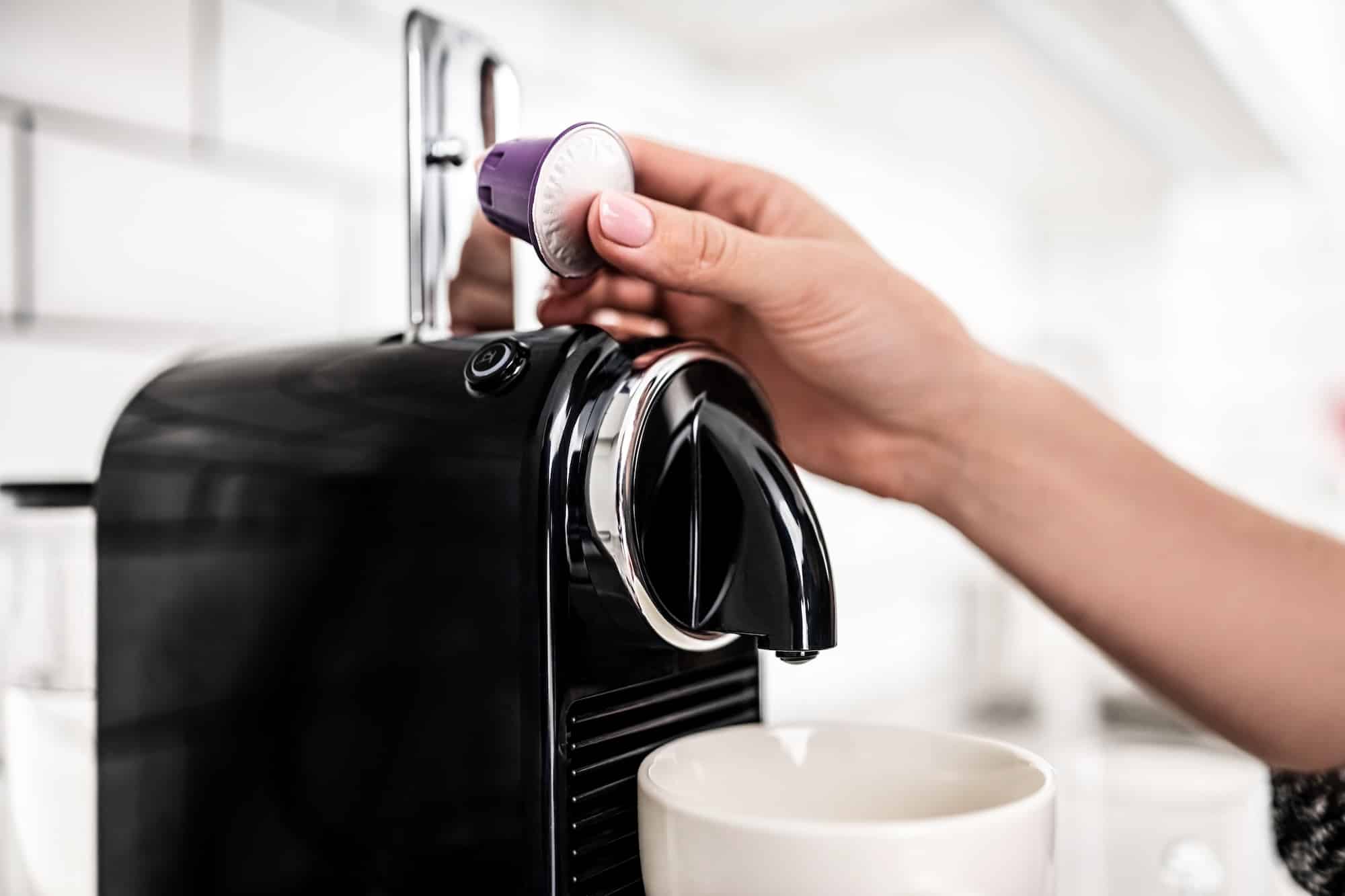
The capsule market continues to evolve as consumers look for both traceability and convenience. New capsule formats feature better grind profiles, improved airflow and compostable materials that reduce waste.
Many roasters now release seasonal capsules and single origins, giving the home user a way to explore flavour without adjusting grind size or investing in advanced tools.
Alongside this, drip bags surge in popularity as a simple, travel friendly way to brew fresh filter coffee anywhere. They deliver clarity and origin expression without equipment, making them ideal for offices, travel or quick morning routines.
Together, capsules and drip bags meet the growing demand for premium convenience at home and on the road.
4. Digital education becomes essential
Roasters now integrate education into the customer journey as a standard part of the offering.
QR codes, short tutorials, guided recipes and online classes help customers understand dose, yield, grind size and water quality, and innovative recipes allow coffee lovers to explore unique drinks.
This guidance gives home brewers more confidence and turns each purchase into a learning experience. With prosumer setups becoming more advanced, digital (and in-person) teaching becomes essential for helping people get the most from their equipment and beans. Knowledge becomes as valued as the product itself.
5. The cold coffee setup is a must
Cold coffee is now a year-round staple at home.
Households invest in gear designed for cold drinks. Iced lattes become the starting point, not the destination, as consumers explore signature drinks, new brewing styles and create unique experiences.
Even those with coffee machines may have a fridge stocked with specialty concentrate and ready to drink (RTDs) canned coffee.
A dedicated cold corner of the kitchen becomes a common accessory to the espresso machine.

At Work: The new standard
The office has changed, but coffee remains its social anchor. In 2026, workplaces recognise that better coffee improves attendance, morale and collaboration. Coffee becomes a perk with purpose.
1. Quality and cold coffee at the push of a button
Workplaces now view coffee as a genuine part of the employee experience. Staff expect café quality without leaving the building, and employers respond with high end super-automatic machines, freshly roasted specialty beans and better workflow design.
Cold options are no longer optional. Offices increasingly will install cold brew taps or chilled concentrate systems to meet rising demand throughout the day. These offerings help employees feel valued and support a more enjoyable work rhythm.
Good coffee also reduces friction in the day, helping people settle quickly and move between tasks with fewer disruptions. The workplace becomes a consistent and reliable source of specialty coffee.
2. Automation ensures consistency
Automation supports quality every day, not just on good days. Machines with real-time monitoring, automated calibration and predictive maintenance ensure smooth operation without relying on staff expertise.
The goal is simple: No broken machines, no inconsistent cups, and no frustration.

3. Coffee as a workplace perk
Coffee is a powerful social tool in modern workplaces.
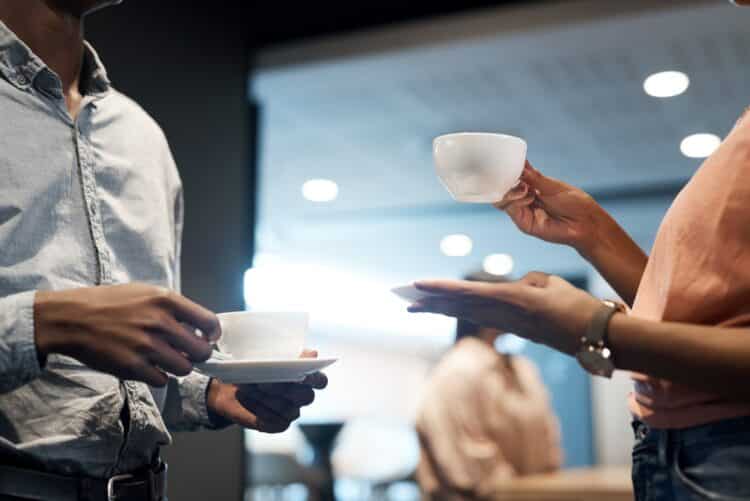
Businesses now host coffee tastings, partner with specialty roasters for delicious blends and treat the coffee corner as a space for informal connection. “Coffee experiences” (cuppings, tastings) facilitated by roasters and quality coffee (as well as tea, matcha and chocolate) attracts staff back into the office and supports natural interactions that strengthen culture.
The coffee station becomes a place for quick chats, creative sparks and shared breaks. When employees feel the workplace invests in their daily ritual, it fosters a sense of belonging and boosts overall morale. This shift highlights how coffee is no longer just a beverage.
It is part of the office culture.
4. Customisation becomes the norm
Staff want drinks that reflect their preferences, and workplaces respond with more choice than ever. Offices now offer multiple milks, flavoured syrups, functional add ins and adjustable drink settings on machines.
Personalisation mirrors café behaviour, where people expect to fine tune temperature, strength and ratio. This variety caters to dietary needs, lifestyle choices and cultural preferences, making the coffee station more inclusive.
When staff can craft a drink that suits them perfectly, it adds comfort and enjoyment to their day. The office becomes a place where personal rituals feel respected.
5. Sustainability sets new expectations
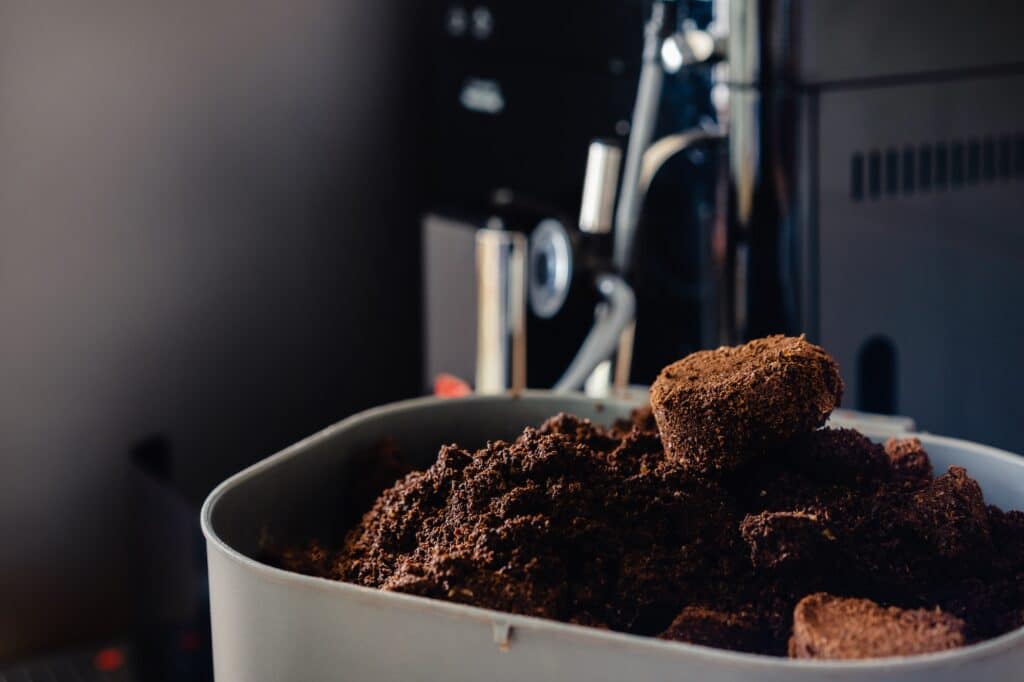
Sustainability becomes a standard part of workplace coffee programs. Offices reduce waste through reusable cups, ceramic mugs, composting of grounds and organic waste and bulk milk systems. Many workplaces take active steps to track waste reduction, celebrate milestones and encourage responsible habits among staff.
As environmental commitments deepen across industries, employees expect their coffee program to reflect corporate values. Offices want to partner with sustainable and ethical coffee roasters. Coffee becomes a practical expression of an organisation’s principles.
Looking ahead
In 2026, the standard of coffee at home, office and café will continue to increase. Quality is expected everywhere. Convenience becomes elegant rather than rushed.
While cafés will still lead the culture of coffee and the ultimate experience, home and office barista will continue to play a part.
The daily ritual is no longer anchored to one place. It travels with us.

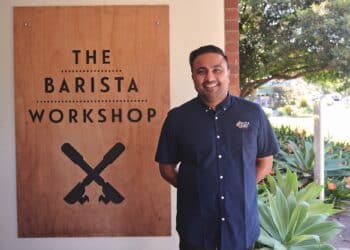
Article written by Abdullah Ramay, CEO of Pablo & Rusty’s Coffee Roasters. Abdullah is a purpose-driven leader and technology enthusiast, uniting business strategy, leadership, and innovation to create meaningful impact in the specialty coffee industry.
Article originally published on the Pablo & Rusty’s website. For more information, click here.