From cocktails and alcohol-free alternatives to seasonal drinks and the continuing matcha madness, what direction will the tastes of tea consumers take this summer?
Whether it be coffee drinkers looking for a lower caffeine option in the afternoon, younger consumers looking for the next aesthetically pleasing brew to post on social media, or people just looking to try something new, tea is being positioned as a key growth category on café drinks menus.
Matcha is, of course, a market leading product in tea, but with an extensive and evolving range available to cafés and restaurants – including the popular green powder – T2 is constantly looking ahead at where consumer demands will lead the industry.
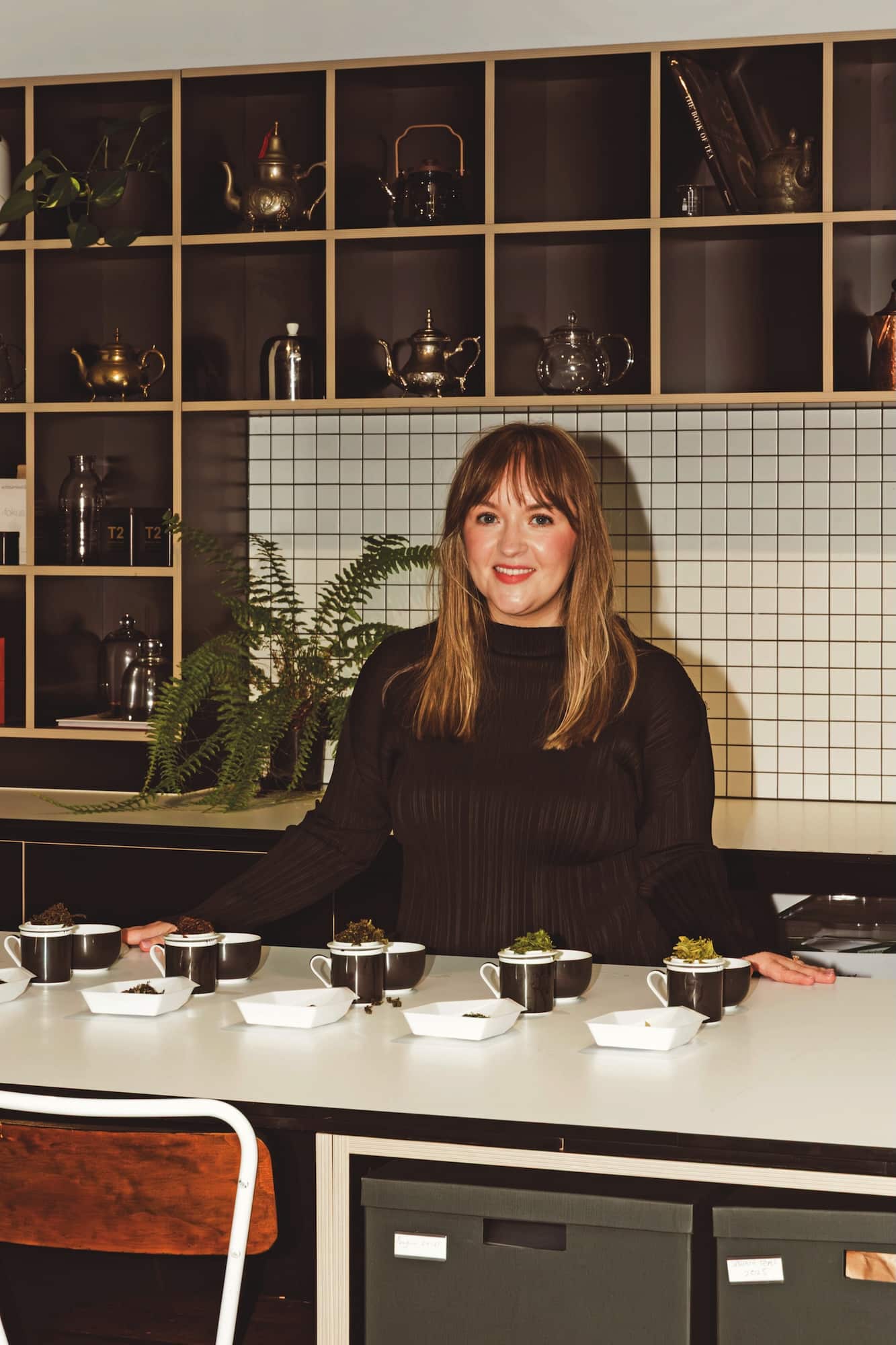
As T2’s Head of Tea, Sally Morris is responsible for determining the well-known brand’s entire product direction, from sourcing to developing, and experimenting with new blends to find exactly what the modern consumer wants.
She reveals some of the emerging trends in tea, and what could be next to take the Australian and New Zealand markets by storm.
An evening affair
With international competitions like the World Coffee in Good Spirits Championship bringing attention to the use of coffee as a cocktail ingredient, it makes sense that tea also holds significant opportunities within the specialty drinks space.
The evolution of many cafés into genuine day/night venues means business owners must design two dynamic menus to attract customers. A strong list of unique cocktails and alcohol-free alternatives is a powerful tool with which to stand out from the crowd.
Sally suggests looking to tea pioneers in Japan, South Korea, and Hong Kong for inspiration.
“We’re seeing a growth in tea cocktails across the Asia-Pacific region, with a lot of bars popping up in Japan, South Korea, and Hong Kong pioneering some really interesting combinations that go far beyond the predictable green-hued matcha creations that we expect to find these days,” says Sally.
“I was recently in Seoul at Bar Tea Scent, who use a range of delicate teas as a base for building really beautiful cocktails that honour the more delicate notes of specialty teas, like Silver Needles, which can be challenging as tea is a lot easier to overwhelm than coffee as a flavour profile.”
T2 is also modelling the possibilities of tea as an ingredient in alcohol-free alternatives.
“Teasecco was something our team developed for this year’s Good Food Guide Awards in Sydney and Melbourne to showcase rare and special tea as an exciting, alcohol-free alternative to prosecco or champagne,” says Sally.
“It’s not something that we sell, but simply a different way of preparing premium specialty teas. To make this, we brewed a concentrated version of our classic Buddha’s Tears and new Phoenix Honey Orchid oolong, which we then chilled and topped with sparkling water.
“They both tasted absolutely phenomenal, and will be a staple at my dinner table this festive season.”
Ongoing matcha madness
Although hot and iced tea varieties have been popular among café frequenters for years, the rise of matcha and its varietals has changed the beverage landscape forever.
Matcha has now grown to become a café mainstay. From venues themed around the drink to the growth in the syrup and flavouring space to complement the traditionally prepared powder, demand only seems to be growing.
Sally believes a similar drink to matcha could be the next great tea frontier in Australia’s cafés.
“Matcha won’t be going anywhere anytime soon– it’s solidly cementing itself as a part of our everyday drinks repertoire– but I think we’re soon to see a rise in popularity of matcha-adjacent drinks,” she says.
“Powdered hojicha is the most obvious that comes to mind– it’s a roasted green tea that’s ground just like matcha, but has a more earthy, almost chocolatey taste with no bitterness that lends itself beautifully to creative drinks.”
A key difference between how hojicha and matcha are created is the roasting process. Hojicha is distinct from other Japanese green teas because it is roasted in a porcelain pot over charcoal to prevent oxidisation.
Sally says it is a great step into the tea world for coffee drinkers who may be looking for a more similar profile.
“With a flavour more akin to coffee than matcha, coffee lovers tend to like hojicha quite a bit as a lower caffeine option.”
Strawberry matcha quickly became the go-to fashionable drink of last summer and still maintains strong consumer interest today. In the coming year, Sally believes there could be demand for a pivot to a new flavour profile alongside matcha, rather than a whole new drink.
“Other trends that are evolving from the matcha family tree include creamy, fruit-forward drinks,” she says.
“Strawberry matcha will forever be remembered as the drink of 2024 and 2025, but we will see more fruits such as banana and yuzu come to join the party in the coming months.”
Evolution, not trends
Sally spoke to BeanScene off the back of a sourcing trip in Europe, the results of which she hopes will be revealed to market during 2026.
She offered a sneak peek as to what may be coming down the line, saying a key focus has been combining Western and Ayurvedic herbal knowledge to create new teas for T2’s wellness portfolio.
She says while she doesn’t expect anything to so rapidly take the world by storm in the way matcha has, seasonality and growth over time advise what could be next to boom in the market.
“While matcha has been the biggest trend in recent memory in the tea industry, it’s rare to find a trend with such urgency to deliver to market,” she says.
“Trends tend to err towards general categories of growth that evolve over time with the odd addition of a trendy flavour or ingredient that we can choose to partake in if we think it’s right for our customers. Tea can involve a lot of ingredients, so it can involve a complex and lengthy procurement process for new and unique blends.
“Seasonality is very important in the Australian market for the establishment of new cold drink trends. We’re a lot more seasonal here than somewhere like the United States where cold drinks are more quotidian year-round in tea and coffee than hot options.”
With the summer sun now beating down on Australia, she expects to see a range of new fruit-based drinks hit the market in the coming months.
“We tend to see a natural rise in popularity for these drinks from late September through to late March, so the season is certainly long enough to establish new trends.
“It’s important to both time this right with good foresight and ensure that we’re being judicious about what is a fad versus what’s something that our customers actually really want to drink.”
This approach to sourcing and product creation also allows T2 to discuss emerging market demands with café partners to ensure the best result from procurement to customer.
T2 aims to drive a shift in how specialty tea is perceived and prepared in cafés. The brand says, after engaging with countless baristas and café owners, it is clear venues and their customers are seeking greater variety, improved workflows, and better access to knowledge on optimal brewing techniques.
Sally says this movement towards tea is not a trend, and that growing appetite for understanding more about origins, processing, and preparation ties into cafés wanting to showcase their commitment to quality through T2’s premium offerings.
“It is about having meaningful conversations with our partners about the products that are truly desired in the hospitality industry. It might be a new format that will make tea-making easier for baristas or a bespoke development for a renowned institution,” says Sally.
“These are seldom purely trend-driven, as all our customers have longevity and sustained growth in mind.
“Our wholesale team does a brilliant job of nurturing these partnerships so that we have a great two-way communication that tells us where to head next.”
For more information, visit t2tea.com
This article appears in the December 2025 edition of BeanScene. Subscribe HERE.